Start With the Exact Address
“Miami” can mean the city, another city, or the county. The exact parcel shows which rules apply.

- Confirm the city or county.
- Find the folio number.
- Check the zoning or land-use record.
- Review permits, violations, and liens.
- Confirm the utility company and service area.
- Check the tax record.
- Confirm the mailing city.
Miami 21, Legal Use, and Permits
The Miami 21 Code establishes standards and procedures for development and redevelopment. Its atlas assigns a transect zone to land inside the City of Miami.
A zone can affect use, additions, parking, and lot rules. A mailing address does not prove the home is inside the city.
City records can show past work and open issues. They do not replace a home inspection.
- Building office: permit and inspection history.
- Zoning office: legal use and current classification.
- Code office: open violations or enforcement.
- Florida attorney: legal effect of open issues.
- Ask about old work.
- Check for open permits.
Condos and Older Buildings Need Separate Checks
A clean unit can be inside a building with repair needs, low reserves, or a new charge.
- HOA budget and reserves.
- Recent meeting minutes.
- Current and planned assessments.
- Master policy and deductibles.
- Required engineering and building records.
- Lender review rules.
- Check parking rights.
- Ask about rental rules.
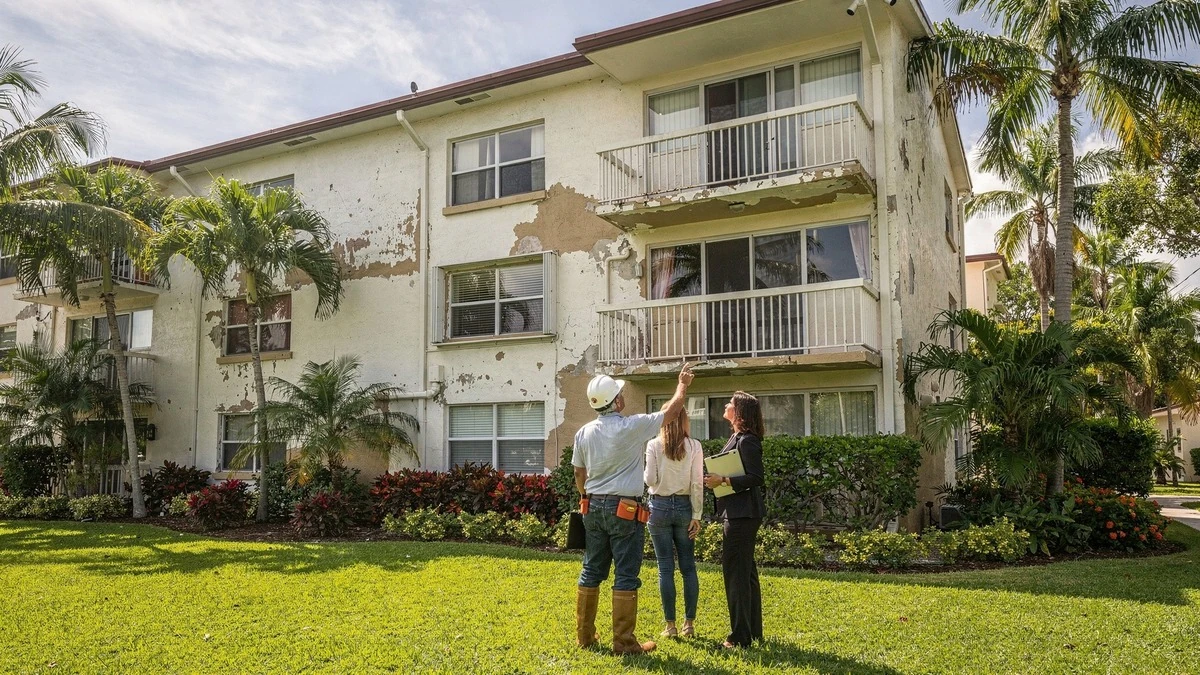
Flood and Insurance Are Address-Level Questions
Nearby homes can have different flood, roof, wind, and insurance facts.
- Check the current FEMA and Miami-Dade flood map.
- Request an insurance quote for the exact address.
- Review roof age, openings, electrical, plumbing, and prior claims.
- Ask what the quote includes and what may change.
- Check the roof age.
- Ask about deductibles.
Use Miami-Dade County’s official flood-zone map.
Price Is Not the Full Monthly Cost
Getting approved is not the same as being ready. A healthy payment must leave room for daily life.
- Principal and interest.
- Property taxes.
- Homeowners and flood insurance.
- Condo or HOA charges.
- Special assessments.
- Utilities, repairs, parking, and reserves.
- Plan for repairs.
- Keep cash reserves.
Buyer Representation and Agent Pay
The buyer agreement explains the agent’s work and pay. Other pay may lower the buyer’s cost, but it is not automatic.
- Ask your agent: What services are included?
- Ask your agent: How is compensation calculated?
- Ask your agent: What happens if the seller or listing broker offers less?
- Ask a Florida attorney: What does the agreement require?
Professional Questions to Ask
- Which government has authority over this parcel?
- What is the current legal use?
- Are permits, violations, or liens still open?
- What association costs or building repairs may change?
- What insurance facts apply to this address?
- What is my full monthly cost and cash needed to close?
Miami Buyer FAQs
Does a Miami mailing address prove the property is inside the City of Miami?
No. Verify the folio and legal jurisdiction before relying on city zoning, permits, taxes, or services.
What is Miami 21?
Miami 21 is the City of Miami zoning code. It guides development standards and assigns zones to land inside the city.
What should I review before buying a Miami condo?
Review budgets, reserves, minutes, insurance, assessments, building reports, and lender requirements for the exact association.
How should I check flood and insurance risk?
Use official address-level maps and request a current insurance quote. Ask what is covered, excluded, and subject to change.
Is buyer representation always free?
No. Compensation depends on the written buyer-broker agreement and any transaction-specific offer of compensation.