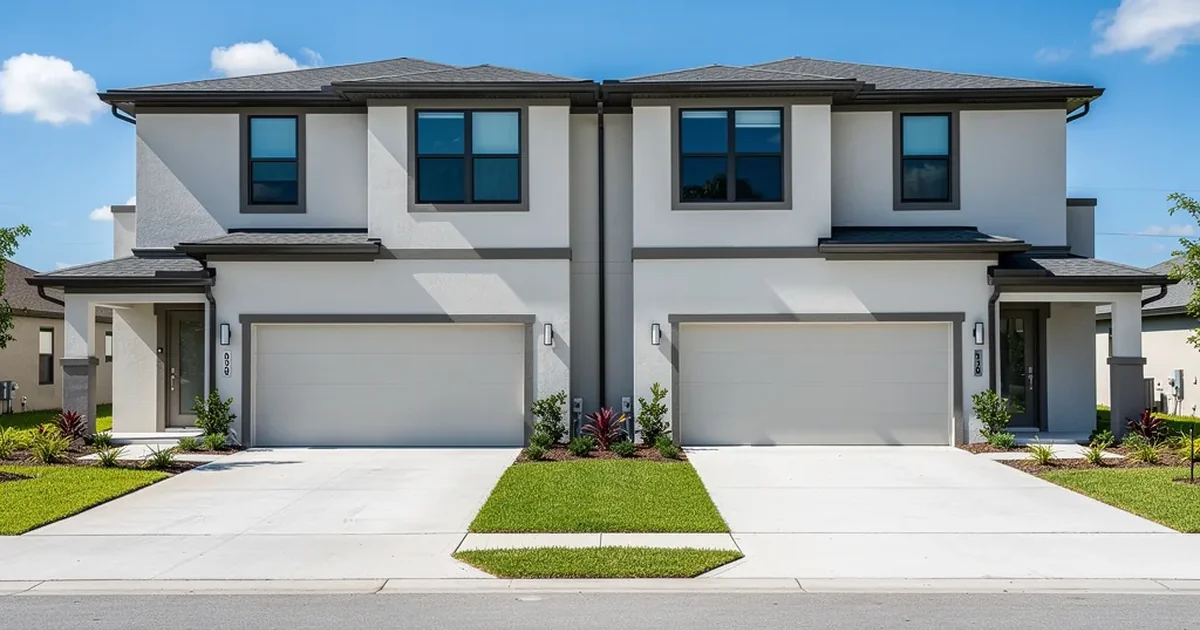
A duplex can create two income streams. Two units also create two sets of facts to verify.
First Prove It Is Really a Duplex
Never assume a building is a legal duplex because it has two doors, two kitchens, or two tenants.
Before using the second unit in your plan, check these facts:
- Check the property record for the recorded unit count.
- Check zoning for the parcel and the two-unit use you plan.
- Review permit and certificate records for the second unit.
- Read current leases or the rent roll when they exist.
- Check how utilities and meters are set up.
- Get an insurance quote for the exact property and use.
- Check flood information for the exact address.
- Get a real inspection of the property condition.
- Ask a title team or attorney about legal limits when needed.
Use Homestead's zoning and permit tools for questions about the exact lot. Homestead zoning · Homestead permits
Financing and Owner Occupancy
FHA can cover one- to four-unit principal homes under its program rules.
Living in one unit and renting another is often called house hacking. The label does not mean the plan will fit your file.
- Ask which live-in rule applies to your loan.
- Ask what rent evidence the lender will accept.
- Ask how much rent, if any, can be used in the lender's calculation.
- Ask what reserves, property rules, and records apply to this file.
Do not treat one down-payment, credit-score, or rent rule as universal. Confirm the exact rule with the lender.
Check Help Programs Before You Rely on Them
Buyer-help programs can change, pause, or run out of funds. Check the current status before you use one in your plan.
- Florida Housing's 2026 page lists eligible workers and help up to 5% of the first mortgage, capped at $35,000.
- Miami-Dade currently lists up to $35,000 in down-payment help, subject to program rules.
Do not assume you qualify, funds are open, or two programs can be combined. Check the current program and lender rules.
Official sources: Florida Housing Miami-Dade
Verify the Rent Before You Rely on It
The rent you hope for and the rent a lender can use may be different.
- Read current leases when the units are rented.
- Ask for a rent roll and payment history.
- Compare recent rents for similar nearby units.
- Ask the lender which rent figure it will use and what proof it needs.
Do not use a broad Homestead rent range in place of facts from this property and today's market.
Verify Taxes, Insurance, Flood, and Utilities
These costs vary by property. Check the exact address instead of an area average.
- Check the county property record for current tax information.
- Get an insurance quote for this building and its planned use.
- Check county and FEMA flood records for the exact address.
- Find out which utilities the owner pays and how the units are metered.
A sale, use change, insurance review, or flood finding can change the costs.
Check the Condition of Both Units
Two units can mean more systems, wear, and repair decisions.
- Have the right professional check the roof, wiring, plumbing, HVAC, and structure as needed.
- Separate work needed now from work that may be needed later.
- Treat repair prices as unknown until the right professional checks this property.
Building age alone does not prove condition. Start with a real inspection.
Fictional Example: Rent Is Not Cash Flow
This example uses made-up numbers to show the steps. It is not a Homestead rent estimate or investment forecast.
- Scheduled second-unit rent: $2,000 per month.
- Annual scheduled rent: $24,000.
- Made-up vacancy amount: $1,200.
- Made-up taxes, insurance, repairs, utilities, and reserve: $10,800.
- Made-up amount left before the loan payment: $12,000.
The amount is not the lesson. Scheduled rent is not the same as cash left after costs.
Your real property will have different numbers. Verify each one.
Decision Checklist
- Prove that both units are legal for the use you plan.
- Verify rent with real records and current evidence.
- Confirm the rent figure the lender may use.
- Check taxes, insurance, flood, utilities, and any HOA.
- Inspect both units and the major systems.
- Confirm loan and live-in rules for the exact file.
- Check if a help program has funds and if you qualify.
- Test the property after vacancy, repairs, reserves, and debt.
Ask the Right Professional
- Lender: loan rules, occupancy, rent proof, reserves, and open conditions.
- City or county: zoning, permits, certificates, and legal-use records.
- Insurance agent: coverage and insurance questions for this property.
- Title team or attorney: title, liens, ownership, and legal limits.
- Inspector, contractor, or engineer: building condition within that person's role.
- CPA or tax adviser: tax and business setup questions.
- Realtor: help organize the property and deal.
Frequently Asked Questions
How do I verify that both units are legal?
Check the property record, parcel zoning, and permit or certificate history. Confirm the exact parcel with the city or county.
Can FHA be used for a duplex?
FHA can cover one- to four-unit principal homes under its program rules. Confirm the exact property and file with an FHA lender.
How should I verify rent before I rely on it?
Read current leases and review the rent roll and payment history. Compare nearby rents and ask what proof the lender will use.
What records should I check before making an offer?
Check the property, zoning, permit, lease, utility, insurance, flood, condition, and title records for this property.
Next Step
Need help organizing the property questions before you make an offer?
Roland can help you prepare the real-estate side of the review and route questions to the right professionals.
Each lender, city office, insurer, title team, inspector, attorney, and tax adviser decides within its own role.
Continue Your Research
FHA duplex · cash-flow calculator · DSCR calculator · financing guide · Homestead guide